

Padel court permit
A permit foryour padel court
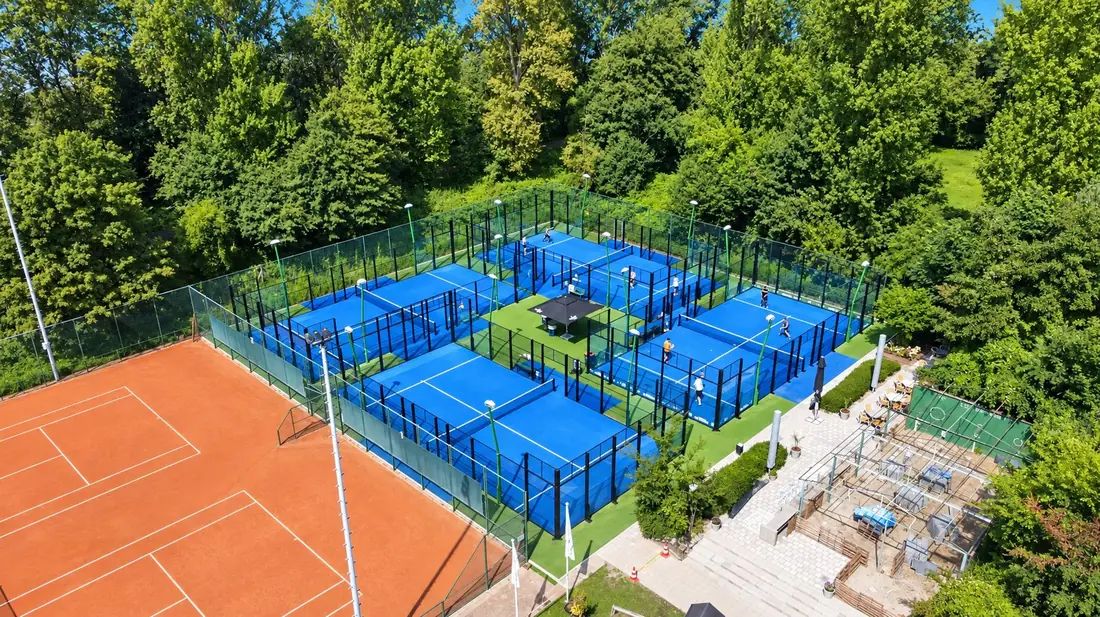
Planning a padel court at your club, sports park or commercial site? Then the permit is almost always the first step: a padel court counts as a structure and falls under building regulations, so in most cases a planning permit (omgevingsvergunning) is required. We guide the whole process, from the zoning check to completion.
- From zoning check to completion
- Noise and lighting studies coordinated
- Support during objection procedures
When required
When do you need a planning permit?
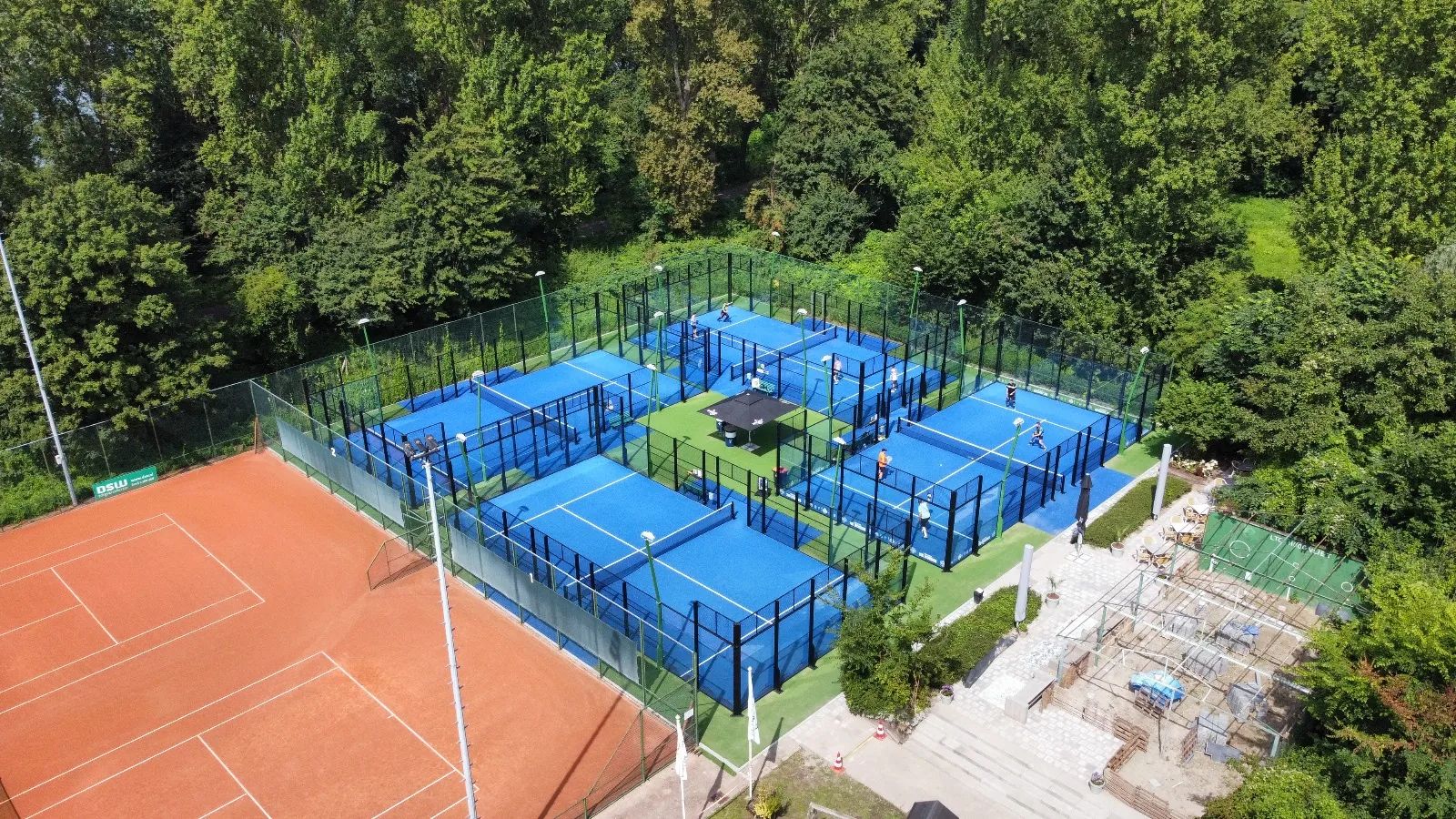
The application usually goes through the municipality; in specific cases the province is involved as well. So always start with a check of the zoning plan, a permit check via the Omgevingsloket (the Dutch online permit portal) and a survey of the local situation. That way you avoid plans that conflict with the zoning plan, before you have the court installed.
A permit is needed in any case in these situations:
- The court is placed outdoors
- Structural work is involved
- Noise or lighting affects the surroundings
- The site is in or near a residential area
Noise and light
Noise is the biggest hurdle, and it can be solved
Padel makes more noise than tennis. The ball on glass and steel, in a cage that acts as a sound box, produces an average sound power level of around 91 dB. That is roughly 10 decibels more than tennis. If the court is close to homes, the municipality almost always asks for an acoustic study with the application.
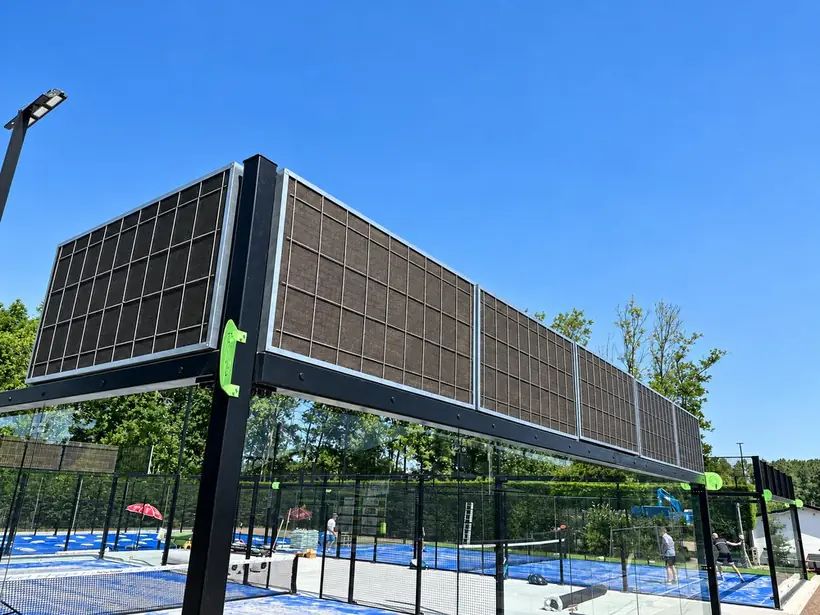
With sound-absorbing panels on the mesh of the court, the direct noise level drops considerably. As a result, noise barriers can be built lower or sometimes left out altogether. That is often decisive for the permit and for support among neighbours.
Lighting counts too. A good lighting plan prevents complaints and delays in the permit process.
- 91 dBaverage sound power level of padel
- +10 dBcompared with tennis
- Lowernoise barriers thanks to absorbing panels
Indoor or outdoor
What does indoor or outdoor mean for your permit?
The location of the court largely determines how demanding the permit process is. Want to know how the construction itself works, from foundation to handover? See how a padel court is built.
| Aspect | Indoor, in an existing hall | Outdoor |
|---|---|---|
| Planning permit | Not always needed if there are no structural changes | Almost always needed |
| What the municipality looks at | Fire safety and rules of use | Noise, lighting and spatial impact |
| Support from I-Padel | Check with the municipality whether a separate application is needed | The whole process, from zoning check to objections |
Not sure whether your hall needs a separate application? Call +31 527 210 040 and we will sort it out together with your municipality.
Documents
What you submit with the application
For a padel court permit application, the municipality usually asks for these documents. We coordinate the studies and supply the calculations, so the file is complete.
- Structural calculationsCompliant with the Dutch Building Decree and the guideline for structural calculation of padel cages. We supply them as the manufacturer of the court.
- Acoustic studyAlmost always needed for an outdoor court close to homes; the municipality uses it to test the noise limits.
- Lighting studyA good lighting plan prevents complaints from neighbours and delays in the permit process.
- Site planThe padel court drawn onto your site, so the municipality sees exactly where it will be.
- Ecological surveyWhere applicable, if the site requires it.
- Archaeological surveySometimes needed, depending on the site and the requirements of the municipality.
We handle it
How the application with your municipality works
As manufacturer and builder of padel courts, we handle the complete permit process for your club or organisation. That way you avoid an application being rejected because of incomplete or incorrect documentation, which can cost weeks or months of delay.
- One point of contact for the municipality and the studies
- Structural calculations compliant with the Dutch Building Decree
- On average 8 to 12 weeks processing time
- First step
Zoning plan and permit check
We check the zoning plan, run the permit check via the Omgevingsloket and map the local situation. So you know in advance whether your plan fits the site.
- In consultation
Consultation with the municipality and studies
We align the plan with the municipality and coordinate the noise and lighting studies. If the municipality asks for it, an ecological or archaeological survey is added.
- At submission
Submit a complete file
We supply the structural calculations, compliant with the Dutch Building Decree and the Dutch guideline for structural calculation of padel cages. Together with the site plan and the study reports, the complete file goes to the municipality.
- 8 to 12 weeks
Assessment by the municipality
The municipality assesses the application. How long that takes depends on the municipality and the complexity of the project. If objections are raised, we support you in the objection procedure.
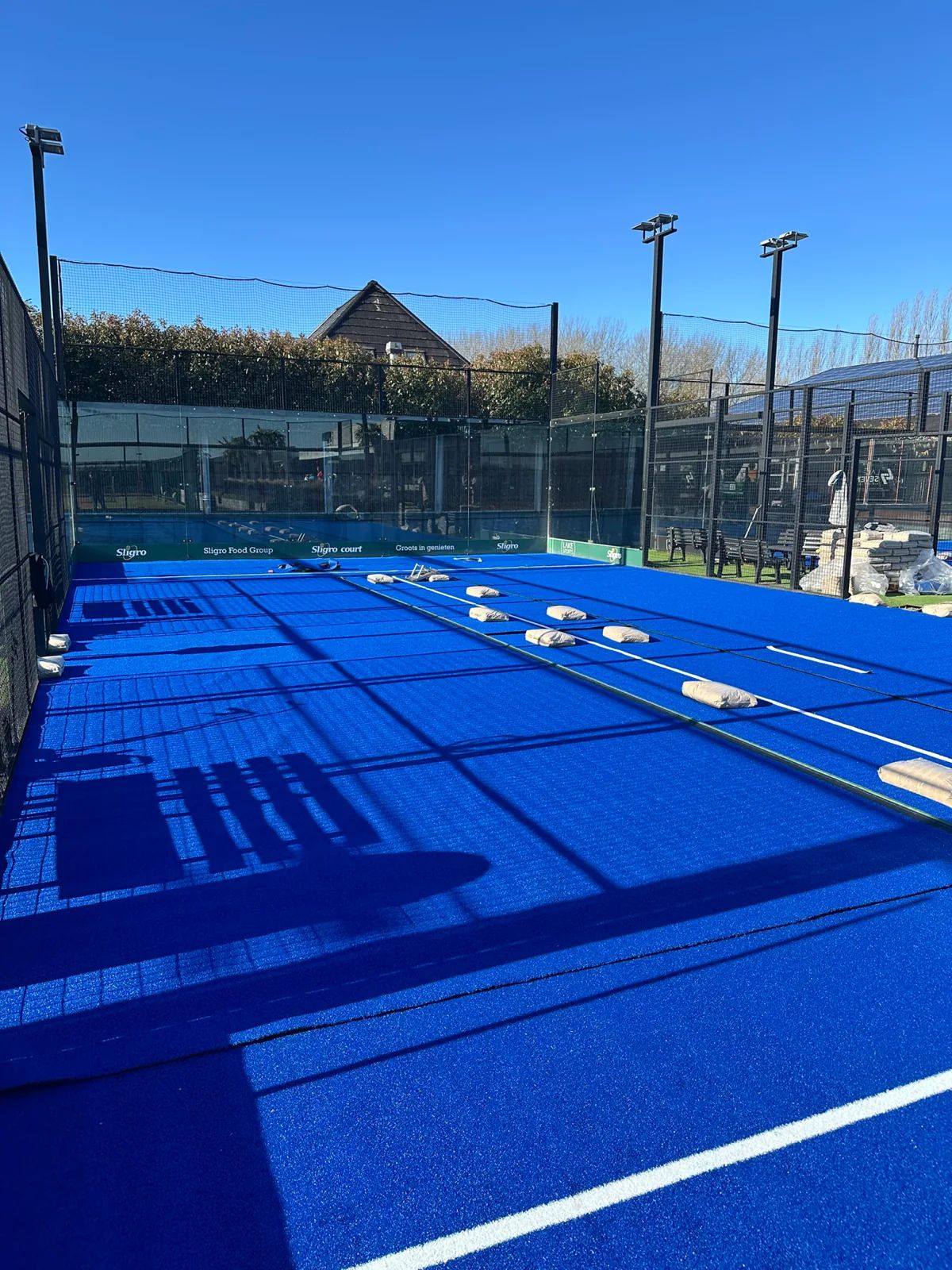 After the permit
Build, hand over and inspect
With the permit in hand we produce the court in 8 to 10 weeks and install it in 2 days per court. The municipality checks the project up to handover; for official matches an inspection by an accredited body follows.
Frequently asked questions
Questions about the permit for a padel court
Is your question not listed? Call us or get in touch.
Is a permit always required for a padel court?
In most cases yes, especially for outdoor padel courts. For indoor placement in an existing hall it depends on the situation: whether structural changes are needed and which fire safety requirements apply.
How long does a permit application for a padel court take?
On average 8 to 12 weeks, depending on the municipality and the complexity of the project. Add the 8 to 10 weeks of production and you know when you can play.
What does a permit for a padel court cost?
That differs per municipality. Besides the municipal fees, you need to allow for the costs of the studies and the structural calculations.
Can a permit be refused?
Yes, for example when the zoning plan is not followed or the noise limits are exceeded. That is why we check the zoning plan in advance and include noise measures in the plan from the start.
What happens if you build without a permit?
The municipality can halt the project, impose fines or even require you to remove the court. So arrange the permit in advance.
Does a padel court have to be inspected after handover?
Yes. For official matches an inspection by an accredited body is mandatory. Our courts are approved by Kiwa ISA Sport and meet the requirements of the KNLTB and the FIP.
Knowledge base
Read more about permits
What a municipality assesses, which studies you need and how long it takes.
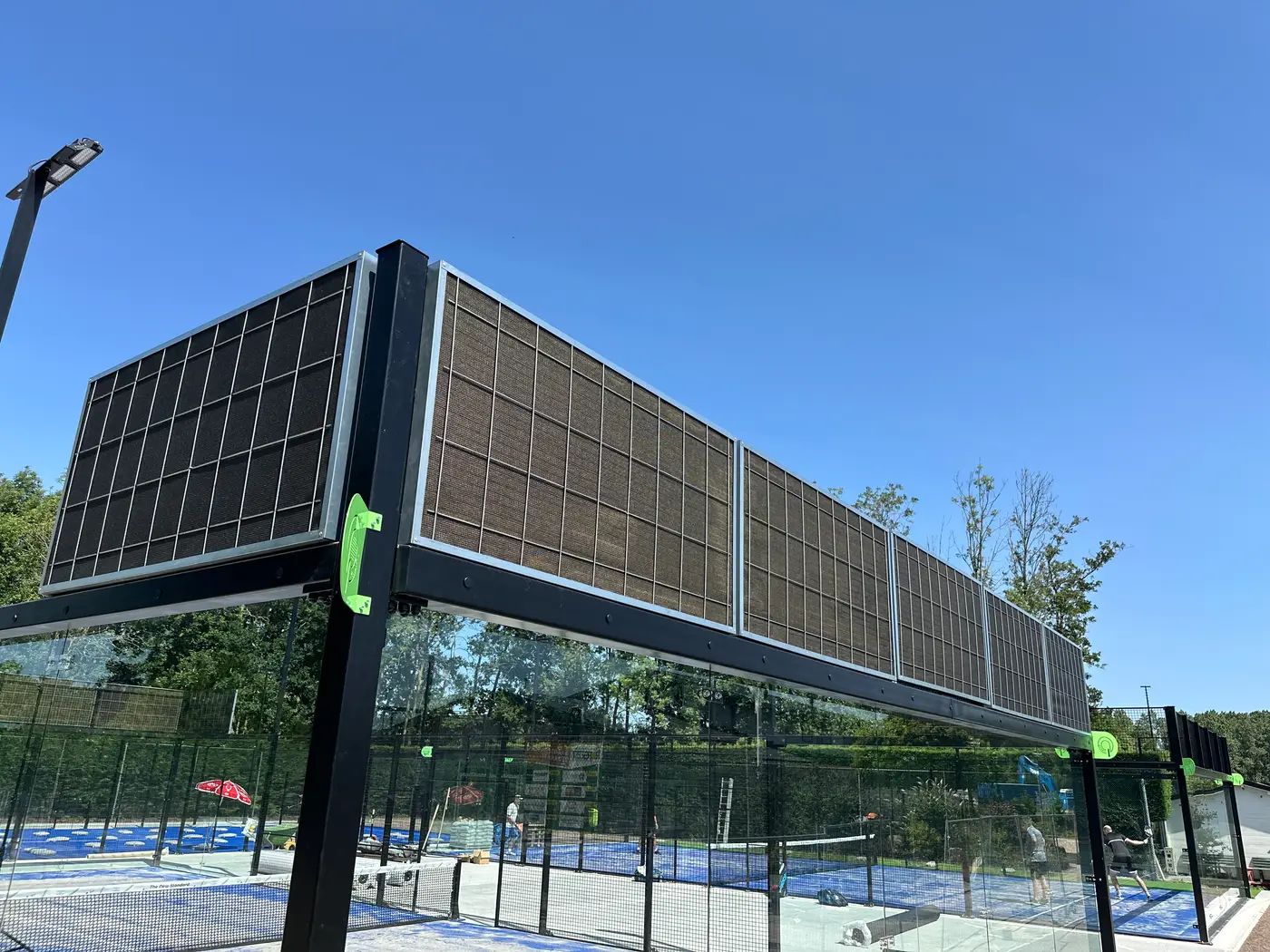 Building a padel court · 24 August 2026What misconceptions exist regarding noise nuisance at padel?Noise nuisance in padel: 7 common misconceptions debunked with technical substantiation. Discover what is really true regarding standards and measures.
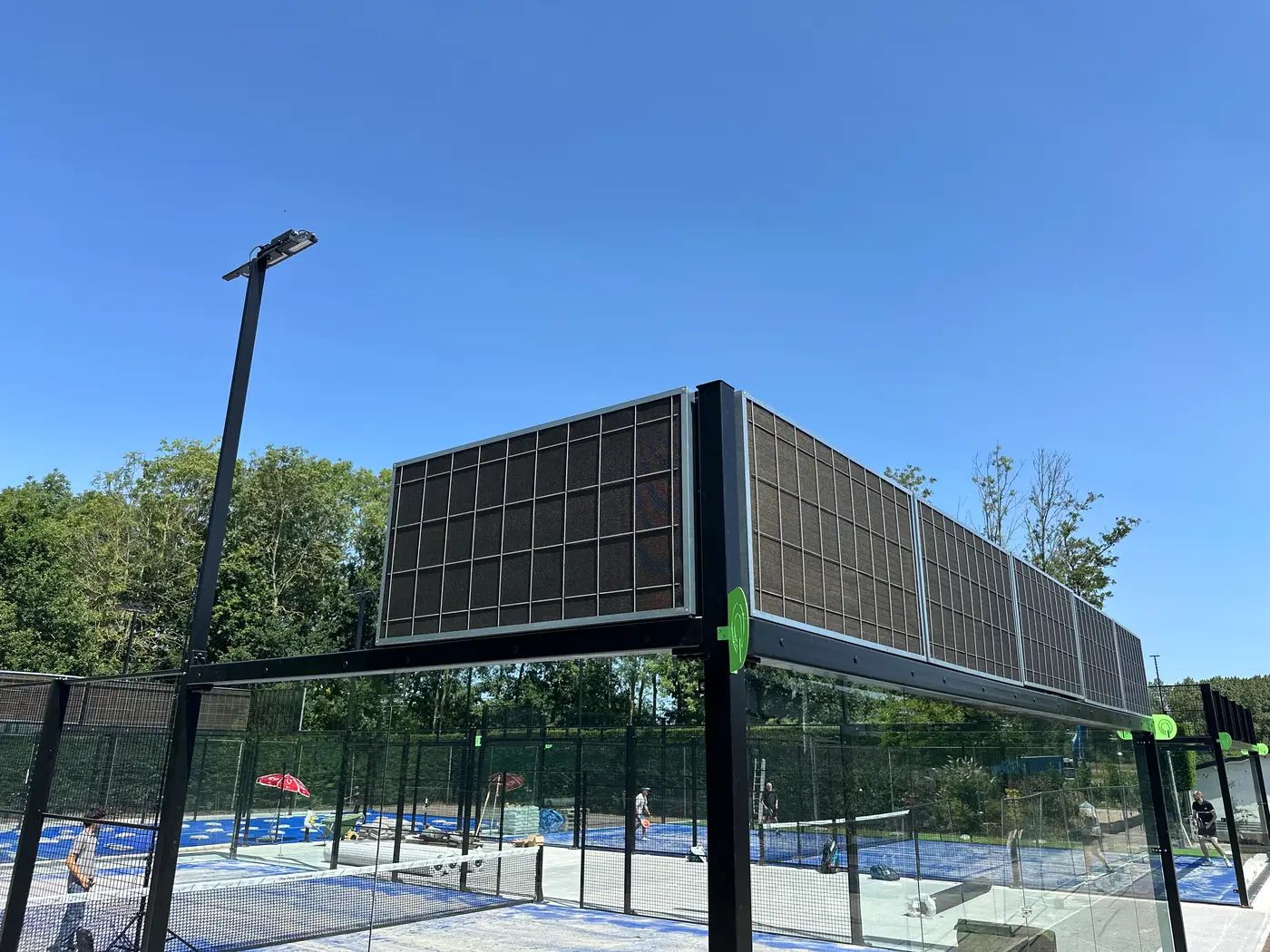 Building a padel court · 18 August 2026When is padel noise perceived as a nuisance?Padel noise already reaches 91 dB — 10 dB more than tennis. Discover which standards apply, when an inspection is mandatory, and which measures prevent nuisance.
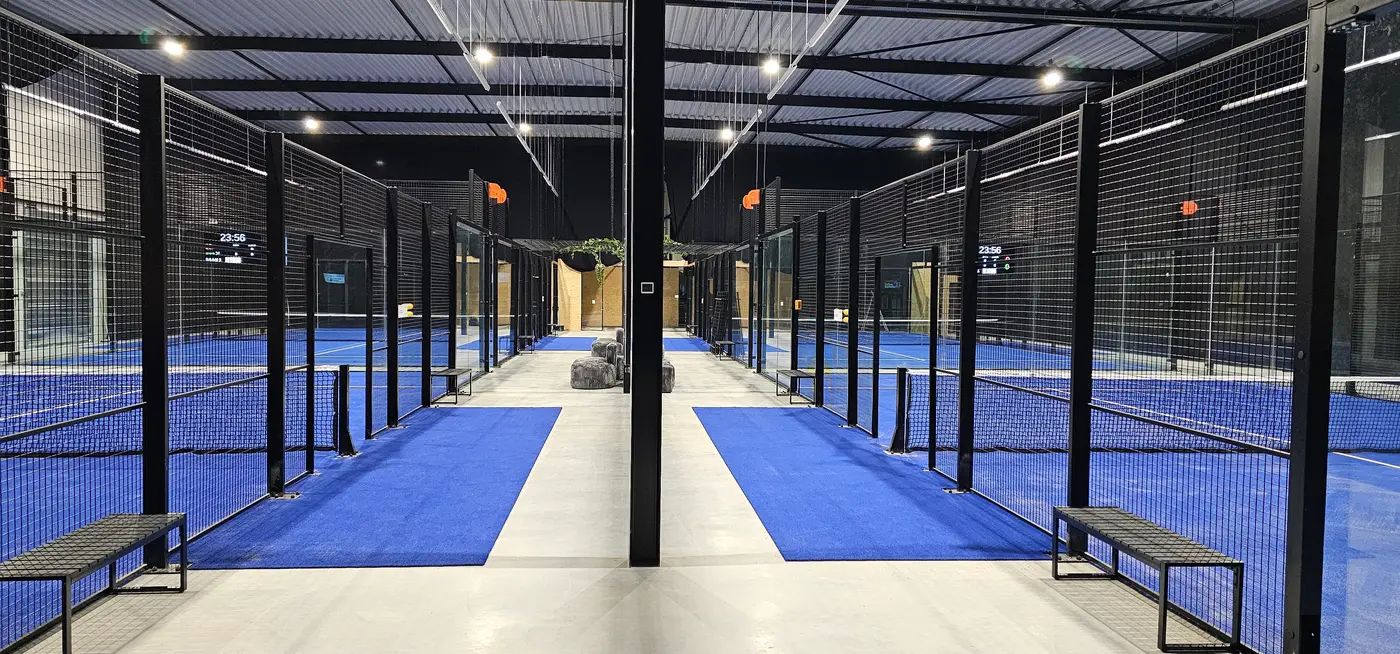 Building a padel court · 30 May 2026Does an indoor padel court cause noise nuisance to the surrounding area?Indoor padel court and noise pollution? Discover the standards (91 dB), legal regulations, and smart measures to prevent complaints.