

Padel court sponsorship
Get more returnfrom your padel courts
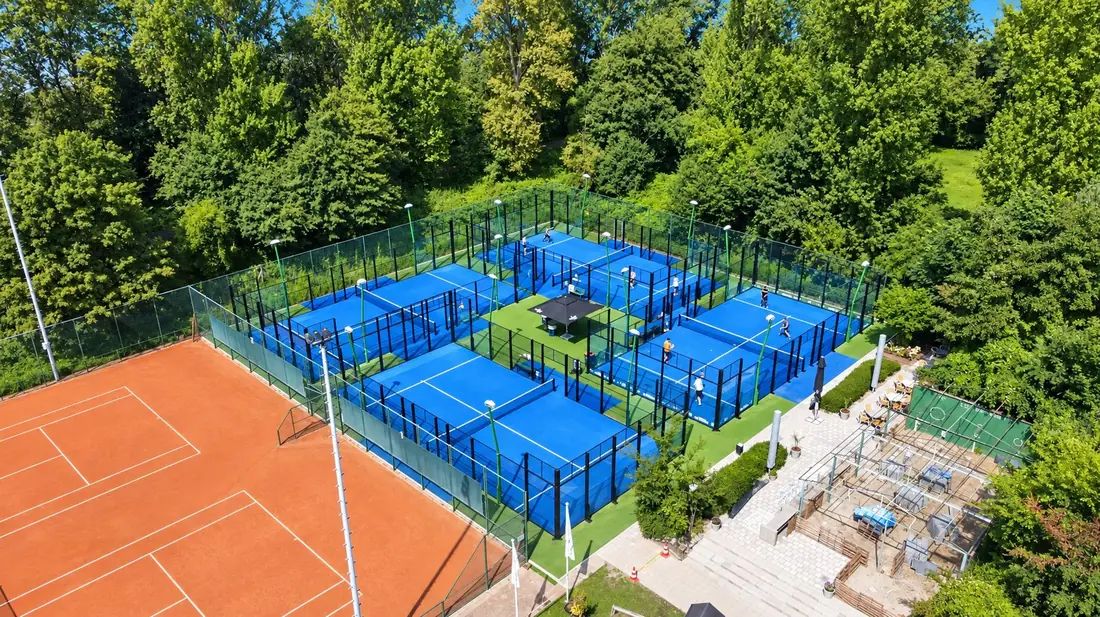
Padel is one of the fastest-growing sports in Europe. More and more clubs invest in new courts, but miss an opportunity: structural sponsorship income from advertising on and around the court. Done right, you get a professional look and a stable income stream from local and regional sponsors.
- €2,000 to €10,000 per court per year
- Glass, net, fencing and net posts
- Production and installation from one source
Why it works
Players and spectators keep looking at the same spots
Padel is unique: everyone on and around the court constantly looks at the glass (every ball off the wall), the net (every rally), the fencing and the entrances. That means maximum visibility per sponsor.
You use those spots with stickers, windscreens, net bands and boards. For a club that means extra income per court, a professional look and more value in your sponsorship packages.
On this page we explain the options, what they bring in and how easy it is to arrange. Still building a court? Then we include the sponsor positions straight away in the design.
- Extra income per court
- A professional look
- More value in your sponsorship packages

The sponsor positions
Five spots on a padel court that make money
Each position has its own sponsor, package and term. The materials are produced and installed by our partner padelreclame.nl.
- 1. Glass stickersThe most popular option. A court has 18 glass panels, so 18 stickers make one full court. Running across several panels or per panel, and visible from both sides: inside and outside the court.
- 2. WindscreensFor outdoor courts. They hang on the fencing and do two things: less wind on the court and a large advertising surface. The standard for main sponsors and long-term contracts.
- 3. Net bandsThe most underrated spot: every rally crosses the net, so the band is constantly in view. Easy to fit, fully customisable and made of durable material.
- 4. Boards and bannersOn the mesh around the court, usually Dibond with an aluminium core. Visible from both sides and weatherproof. For premium sponsors and long-term visibility.
- 5. Padding and net post protectionMade of D20 foam rubber, on doors and net posts. They protect players and add an extra sponsor layer for combined packages. Custom-printed and neatly finished.
- Everything arranged in one goDesign, production and installation run through a single point of contact. If we build the court, we install the sponsor materials at handover.
What it brings in
Several sponsors per court, structural income
By combining the positions cleverly you place several sponsors per court and link contracts together, for example net plus glass plus windscreen. Many clubs earn €2,000 to €10,000 or more per court per year this way, depending on location and set-up.
The clubs that get the most out of sponsorship work with fixed sponsor positions, clear packages and a professional look. And above all: everything is arranged properly in one go, from production to installation.
A stable court is the basis. Read how we build with a 15-year warranty on the steel structure.
- 18glass panels per court, so 18 sticker positions
- €2,000+sponsorship income per court per year
- 5sponsor positions per court
Frequently asked questions
Questions about padel court sponsorship
Does sponsorship also work on an existing court?
Yes. Stickers, net bands, windscreens and boards fit any padel court, even if we did not build it. The materials are made to measure based on the dimensions of your court.
How long do the materials last?
Glass stickers, boards and windscreens are made for outdoor use and last for years. With a new sponsor you only replace the material; the position stays.
What does it cost?
That depends on the positions and the number of courts. Request a no-obligation price indication; we will also work out what sponsorship could bring in at your location.
Do windscreens and boards affect the structure?
Yes, solid screens and boards increase the wind load on the fencing. On our courts we factor that into the structure; on an existing court we first assess whether the cage can take it. Read more about how a padel court is built.