

For tennis clubs
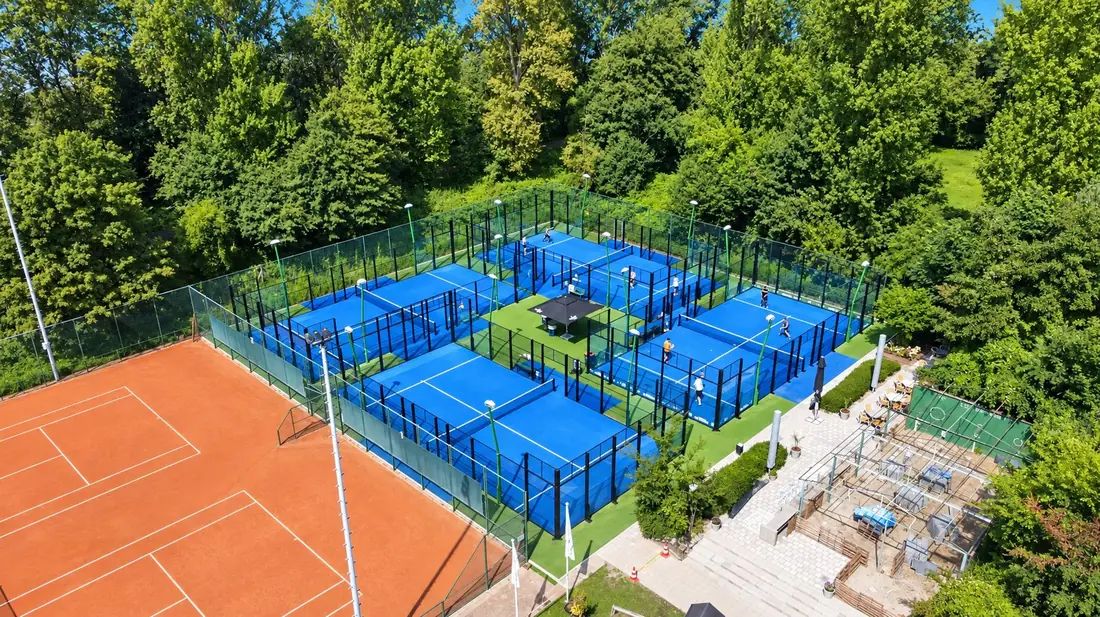
Adding padel to yourtennis club
More and more tennis clubs are looking at padel as an addition to what they offer. The sport is growing fast, attracts new groups and makes a club future-proof. At the same time, in conversations with boards we hear a lot of doubt: about the investment, about noise, about support from members and neighbours, about the permit. That doubt is justified. So we don't start with a quotation, but with insight.
- Research first, then build
- Noise and surroundings from day one
- 15-year warranty on the steel structure
Where it goes wrong
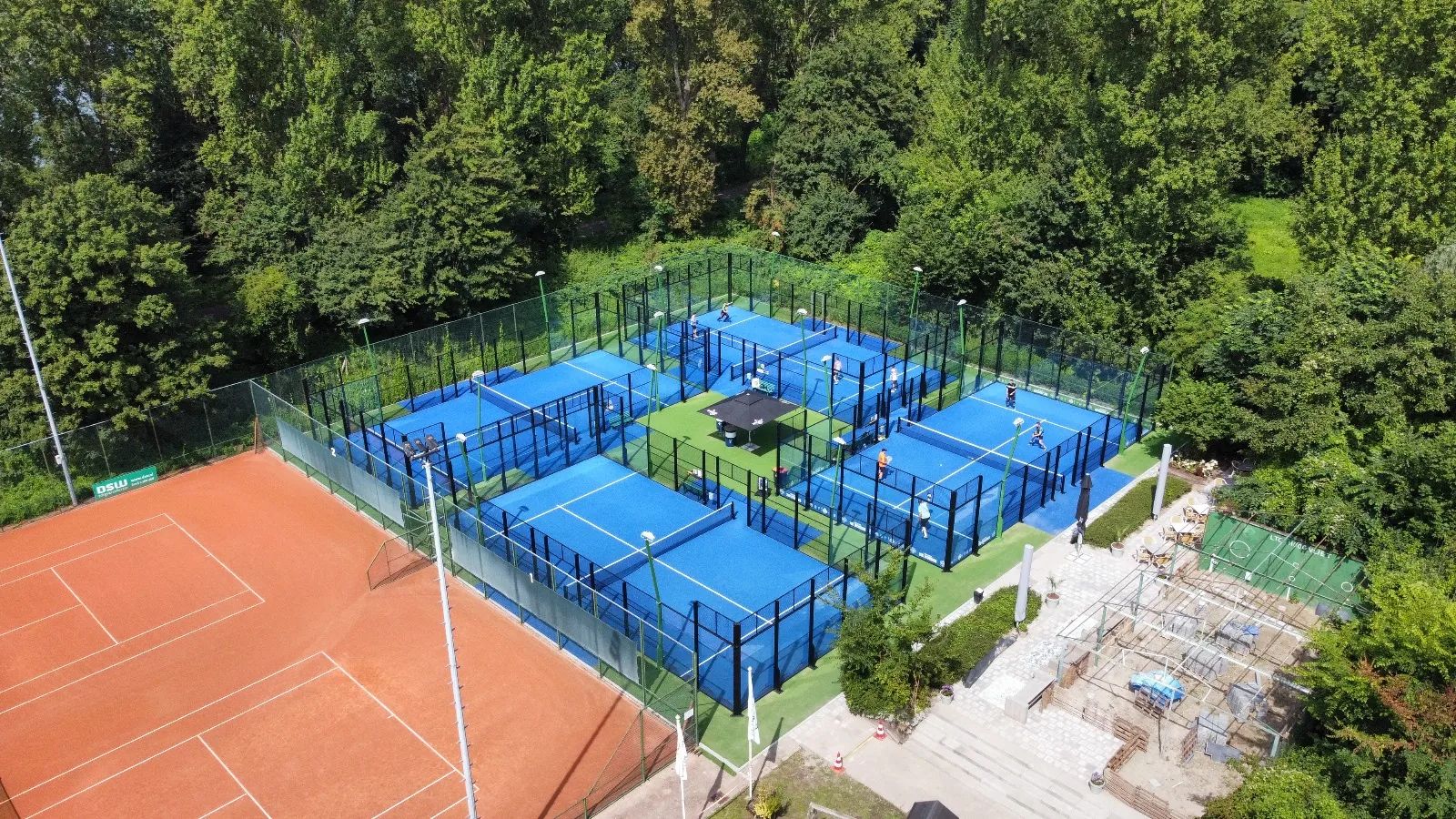
Padel projects rarely fail because of the sport itself
What usually goes wrong is the process around it. Boards are under pressure: members see padel at other clubs, commercial providers are quick and enthusiastic, and the sport seems to be everywhere. At the same time there are legitimate concerns about noise, costs, permits and resistance from the neighbourhood.
What we regularly see: decisions are taken too quickly without enough research, noise and surroundings only come up late, the focus is on the lowest investment instead of the long term, and the municipal process is underestimated.
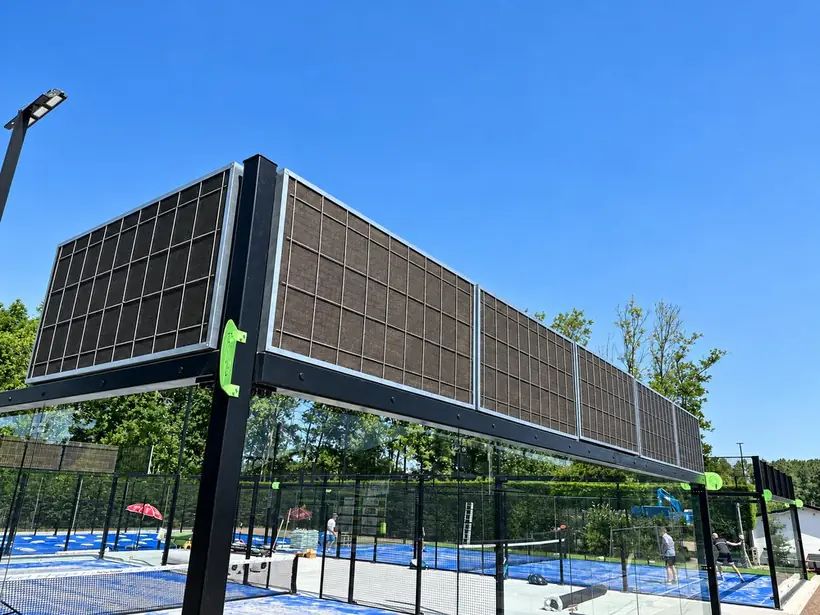
The result: delays, extra costs or discussions with members and neighbours. Sometimes even division within the club. That is exactly why padel at a tennis park calls for a careful approach, with realistic expectations from the start. Read up on sound-absorbing panels and noise barriers.
- Decided too fast, researched too little
- Noise and surroundings considered too late
- Municipal process and lead time underestimated
What boards are looking for
Not the prettiest or cheapest court, but certainty
In conversations with tennis clubs we notice that boards want peace of mind. No hassle afterwards, no surprises during construction and no lengthy discussions with the neighbourhood or the municipality.
- A sound investmentA plan that adds up financially, also in ten or fifteen years.
- Noise and surroundings taken care ofMeasured early, positioned well and screened where needed.
- Members on boardA process in which members understand why and how.
- A choice that holds upStill defensible in fifteen years, technically and financially.
Our approach
Rather well researched than quickly sold
Not every location is automatically suitable for padel, and not every plan is feasible within the standards without adjustments. That is why we think along first, before we build. If we see risks, we name them, even if that means the project needs more time.
- Step 1
Does padel fit this location?
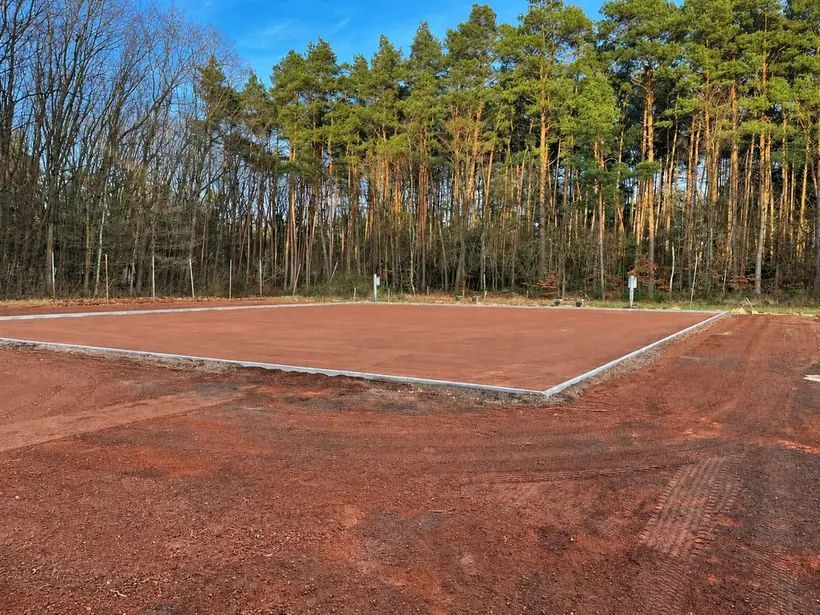
Space, subsoil, accessibility and the distance to homes. We first check whether it can be done, and how.
- Step 2
What does this mean for noise and surroundings?
A noise report where needed, advice on the position of the courts and on panels or barriers.
- Step 3
Which permit, and how long does it take?
A realistic lead time at the municipality and the studies you need. Read more about the permit.
- Step 4
What does this look like in 10 to 15 years?
Maintenance, replacing the artificial turf, operation. Only then a quotation that adds up.
Why a 15-year warranty
We know our steel inside out
I-Padel produces padel courts entirely in-house: from structure and choice of steel to preservation and installation. We work with S350 structural steel and protect it with a hot-dip galvanised duplex system, galvanising plus coating, known for its durability outdoors.
That knowledge is no coincidence. I-Padel grew out of Jonkers Bouwmetaal, a Dutch family business with over 40 years of experience in steel structures. Because we know exactly which steel we use, how it is protected and how it behaves over the years, we dare to take long-term responsibility: a 15-year warranty on the steel structure.
- S350structural steel
- Duplexhot-dip galvanised and coated
- 40+years of steel experience
- 15years of warranty
Noise
A precondition, not a side issue
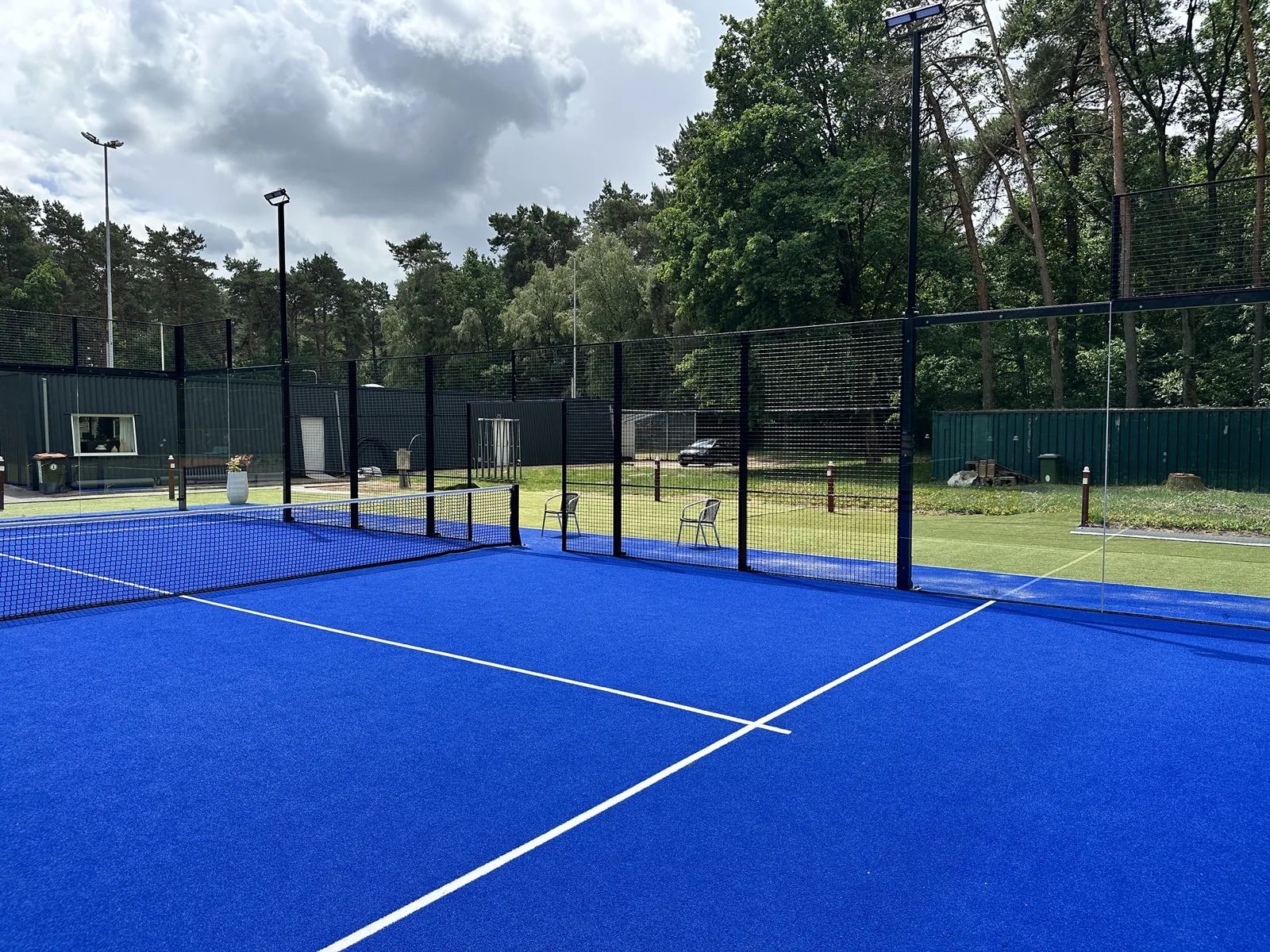
Noise is often the first concern when a tennis club considers padel. Rightly so: padel is played intensively and is often close to homes or other sports fields. That is why we look at the noise situation on and around the park at an early stage.
Depending on the location we have a noise report drawn up, advise on the position of the courts and apply noise barriers or sound-absorbing panels.
Important: noise measures affect the structure. Extra panels or walls increase the wind load, so the cage must be calculated for it. We always include that in our calculations, so that a short-term solution does not lead to problems later.
- Noise report where needed
- Position of the courts on the park
- Panels or barriers, included in the structural calculation
Frequently asked questions
Questions from boards
How many padel courts fit on a tennis court?
One tennis court fits two to three padel courts, depending on the free space around it. Read how that works at converting a tennis court to a padel court.
What does a padel court cost for a club?
An outdoor padel court starts at around €30,000, complete with foundation and lighting from €50,000, excluding VAT. Work it out with our calculator.
How long does the whole process take?
Count on three to six months for the permit, 8 to 10 weeks of production and 2 days of installation per court. The municipal process usually determines the lead time.
What if the neighbours object?
The best way to prevent that is to take noise seriously early on: measure, position the courts cleverly and screen where needed. We provide the substantiation you take to the neighbourhood and the municipality.