Information · 2 September 2024 · 2 min read
Wind Load on Padel Courts in the Netherlands: Importance for Structures and Safety
Read all about wind load on padel courts in the Netherlands. Discover how wind zones and terrain categories influence the design and safety of padel structures.
In this article
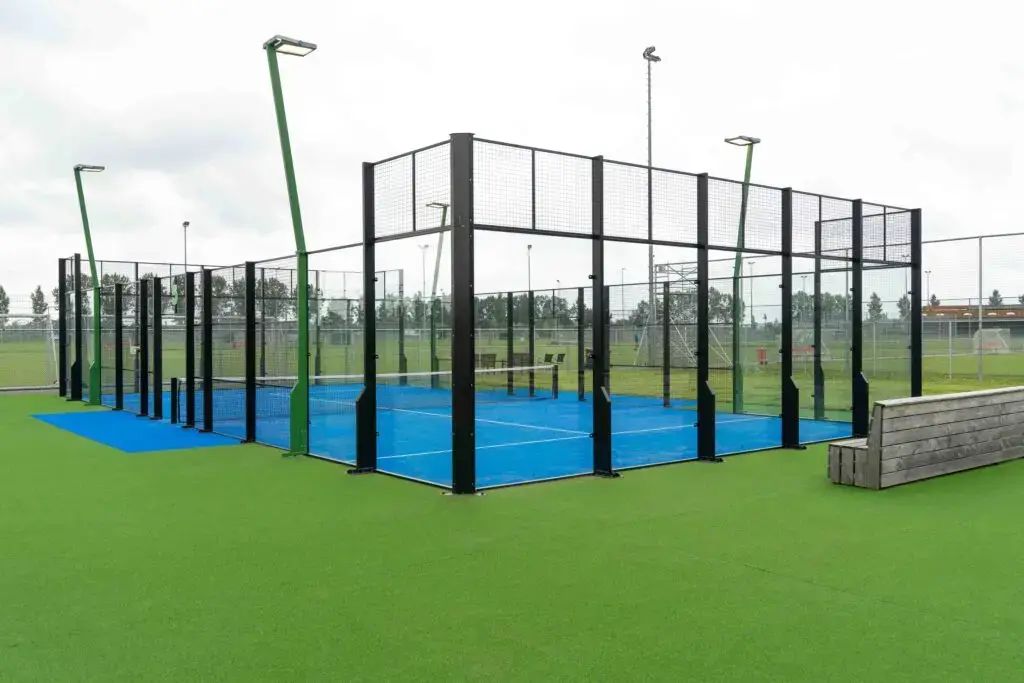
When building padel courts, it is essential to take wind load into account, especially for outdoor courts. But what exactly does wind load involve, and why is it important for sports structures in the Netherlands?
What is wind load?
In the Netherlands there are three wind zones, which have been determined on the basis of wind strength. Wind blowing against or along a structure, such as a padel court, creates various pressure and tensile forces. Wind suction plays a crucial role here.
Classification of wind zones
The classification into wind zones helps to determine the expected wind load during the design and construction of padel structures. These are the wind zones in the Netherlands:
- Wind zone 3: This zone has the lowest wind load and mainly covers the inland areas.
- Wind zone 2: Here the wind load increases.
- Wind zone 1: This zone, often along the coast, has the highest wind load.
Between these zones there is a “transition zone” of approximately 5 kilometres.
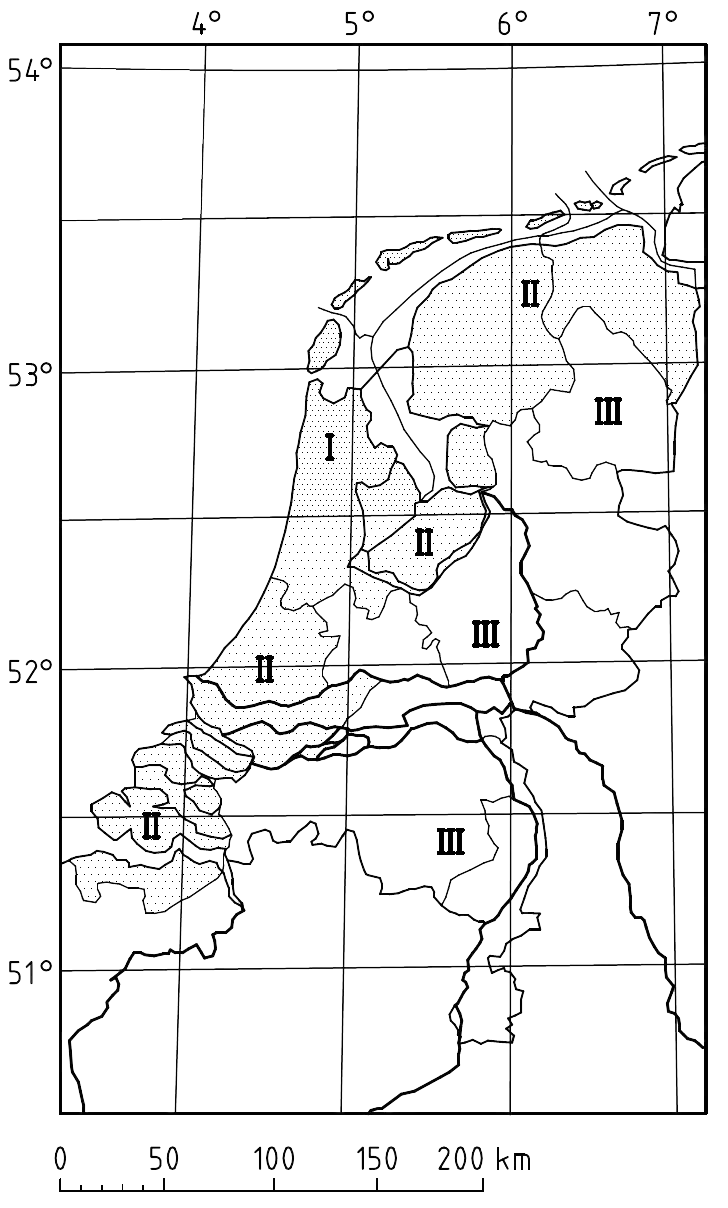
Terrain categories according to the Eurocode
In addition to the wind zones, there are also three terrain categories that influence the wind load:
- Built-up (III): Areas with a lot of buildings, where buildings slow down the wind.
- Undeveloped (II): Open areas such as meadows or plains without many obstacles.
- Sea or coastal area (I): Along the coast, where wind from open water can quickly gain strength.
Importance for padel structures
As a club, commercial party or main contractor, it is crucial to be aware of these wind zones and terrain categories when planning and building padel courts. This helps not only with the design, but also with ensuring the safety and durability of the structure.
Do you have questions or would you like more information about the wind load in your region? Contact us at info@i-padel.nl or talk to your padel court builder for tailored advice.
By taking these factors into account, you can make sure your padel court is not only attractive, but also able to withstand the elements.