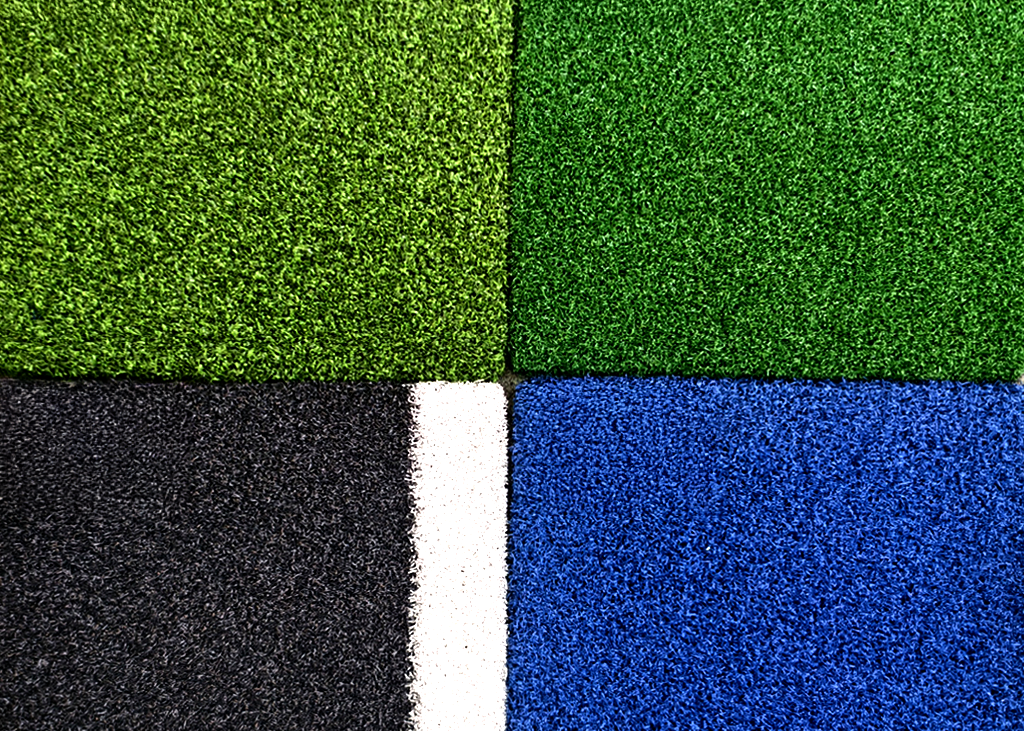

Padel Court Maintenance: How to Extend Lifespan and Playing Quality
Padel Court Maintenance
A well-maintained padel court ensures safety, consistent playing conditions, and lower long-term costs. Daily, weekly, and periodic routines keep synthetic turf fibers resilient, glass walls secure, and the structure solid. This isn’t a detail, but the foundation of a court that performs at its best all year round—as various maintenance guides emphasize—focusing on regular brushing, sand distribution, inspections of glass and metal fittings, and drainage control.
Why Maintenance Is Essential
Maintenance prevents sand compaction, hardening of the top layer, and uneven play surfaces. It also reduces fiber wear and lowers the risk of injuries caused by slipping or unexpected irregularities. Authoritative guidelines recommend daily cleaning and weekly brushing, periodic deep cleaning, and timely sand refilling to keep bounce and grip consistent.
When to Perform Maintenance
Daily and Weekly: What Works in Practice
Remove debris daily using a soft brush or blower; brush the turf and level the sand weekly; and check fittings, net tension, lighting, and drainage each month. This routine aligns with international best practices and helps maintain warranty conditions—especially for covered courts, where insufficient maintenance can affect both safety and warranty coverage.
Periodic Deep Cleaning
Periodic professional deep cleaning lifts turf fibers, redistributes and renews the infill sand as needed, and removes organic matter from the mat. This keeps the surface permeable and playable, with noticeable improvements in speed and consistency. Several sources recommend deep maintenance at least once a year, and every six months for intensive use, along with inspections of glass, net posts, fencing, and bolts.
When to Replace the Artificial Grass
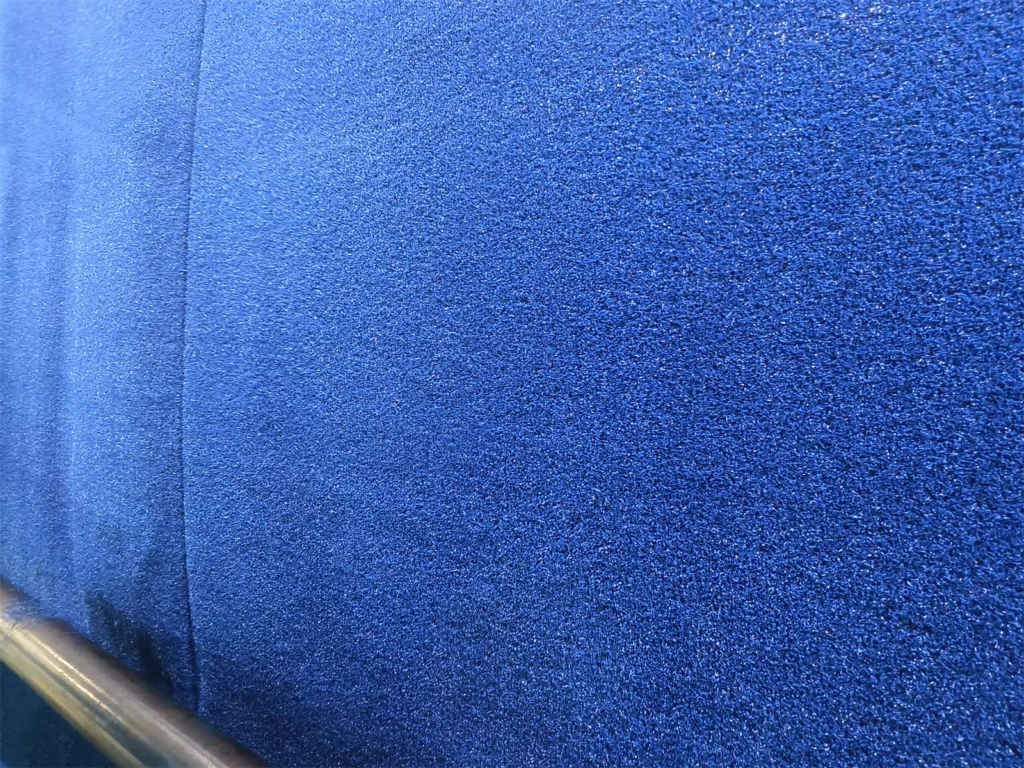
Even with proper upkeep, artificial grass has a lifespan. Depending on usage, weather, and maintenance discipline, the replacement range is typically between four and seven years. Signs that replacement is due include bare or dark patches, fibers that no longer stand up despite brushing, reduced drainage, and unsafe grip—all indicators that the mat has reached the end of its technical life. Industry guides emphasize that timely replacement is more cost-effective than continuing with an overly worn surface, as it prevents repeated repairs, excessive sand loss, and reductions in play quality and safety.
Replacement as an Opportunity for Improvement
Replacement provides a moment to optimize—consider the right turf type for your usage, adjust the sand infill, improve drainage, clean the glass, and perform structural checks. The right combination of suitable turf, correct sand level, and a maintenance log demonstrably improves return on investment.
In Conclusion
With a consistent maintenance routine, timely deep cleaning, and clear replacement scheduling, your court will remain safe, fast, and enjoyable. If you’d like help setting up a maintenance plan or advice on replacement, we’re happy to assist.
Want to know more? We're happy to help!
Frequently Asked Questions
Why is regular maintenance of a padel court so important?
Regular maintenance keeps the playing surface safe and consistent. It prevents sand compaction, hardening of the top layer, and unnecessary fiber wear. Sources recommend a daily, weekly, and periodic schedule with inspections of glass, fencing, fittings, and drainage so the court performs properly year-round.
What does daily maintenance involve, and what can I do myself?
Remove leaves and debris with a soft brush or blower, lightly redistribute the sand with a broom or drag mat, and visually inspect for loose parts. This aligns with recommendations from artificial turf and padel court maintenance guides.
How often should I check or refill the infill sand?
Check the sand distribution weekly and refill periodically to maintain play quality and fiber posture. The benchmark for infill sand is around 12 kilograms per square meter, depending on turf type and usage intensity.
What is surface hardening, and how can it be fixed?
Hardening occurs when sand becomes compacted and contaminated, making the surface firm and poorly permeable. Professional revitalization removes dirty sand, cleans the turf, and replenishes it—restoring elasticity and drainage.
When is it wise to replace the turf mat?
Typical lifespan for padel turf is around four to seven years, depending on usage, weather, and maintenance. Warning signs include dark or bare spots, fibers that no longer stand up, and poor water drainage. Timely replacement prevents higher costs and unsafe conditions.
What key monthly checks should I perform besides the surface?
Check glass and fencing, bolts, and net posts for looseness; inspect lighting and drainage; and schedule deep cleaning or sand refilling when needed. This matches structural and periodic inspection guidelines.
How should you deal with seasonal influences like autumn leaves or winter snow?
Keep the court free of leaves and organic debris, ensure drainage works properly, remove snow carefully without damaging the turf or glass, and avoid ice buildup whenever possible. Seasonal attention helps prevent damage and slipping hazards.
Do I always need to outsource deep cleaning, and how often?
No, you can also perform it yourself with professional equipment costing around €7,000. Plan at least one professional session per year, or twice annually for heavy use. During this process, fibers are lifted, sand redistributed, contamination removed, and structural components checked for lasting play quality and safety.