
What are the operating costs after the construction of a padel court?

Building a padel court is one thing. But what does it cost afterward, year after year? For entrepreneurs, clubs, and real estate parties, the answer to that question is at least as important as the construction price itself. The operating costs of a padel court largely determine whether your investment pays off, and how quickly. In this article, we lay out all the recurring costs clearly, so you have a realistic picture before you decide. As a general guideline: the annual operating costs of a padel court average between €3,000 and €8,000 per court, depending on the type of court, the location, and the intensity of use. This ranges from energy costs and maintenance to insurance and the longer-term replacement of materials. Below we work out each component in detail. What exactly are operating costs for a padel court? The operating costs of a padel court are all the recurring costs you incur after construction. These are the costs of keeping the court running: energy, maintenance, insurance, and eventually the replacement of wearing parts such as artificial turf and lighting. They are not one-time costs, but recur every year. The distinction from construction costs is important. You pay construction costs once, for the foundation, the steel structure, the glass, the artificial turf, and the installation. You pay operating costs year in, year out. For a solid business case for a padel location, you need to map out both. A court that was cheap to build but expensive to run can be a worse investment in the long term than a court with a higher construction price but lower annual costs. The main cost items in operations are: Energy consumption of LED lighting Regular maintenance of the artificial turf and structure Insurance for the facility Replacement of artificial turf (once every 8 to 12 years) Any repairs to glass or structure Management and cleaning of the location What does maintenance of a padel court cost per year? Annual maintenance of a padel court costs an average of between €500 and €2,000 per court, depending on use and court type. This includes regularly topping up and leveling the artificial turf, keeping the glass clean, and a visual inspection of the steel structure and fastening points. Artificial turf requires the most attention. Intensive use causes the sand infill to become unevenly distributed, which affects ball bounce and playing comfort. Regular top-dressing and an annual machine cleaning keep the court in good condition. Glass is best cleaned several times a year, especially for outdoor courts, where dirt and algae build up faster. The steel structure requires little active maintenance, but it’s wise to check annually for rust formation, loose fastenings, and whether the coating is still intact. With a quality structure and good coating, major repairs are rarely needed in the first years. Small damage to glass or mesh is the most common repair cost and typically ranges between €200 and €800 per incident. Read more about artificial grass How much energy does a padel court with LED lighting use? A padel court with LED lighting consumes an average of 4 to 8 kWh per hour of play, depending on the number of fixtures, the lighting level, and the configuration. With average use of 8 to 10 hours per day, this adds up to 30 to 70 kWh per day per court. LED lighting is the most energy-efficient option for padel courts. Compared to traditional halogen or fluorescent lighting, LED uses up to 60 percent less energy at the same light level. That makes a big difference annually, especially if the court is used intensively. To calculate energy costs: at an average energy price of around €0.30 per kWh and a consumption of 50 kWh per day, the annual energy costs for one court are approximately €5,000 to €6,000 with daily use. With less intensive use, for example a court in use an average of 5 hours per day, costs are closer to €2,500 to €3,500 per year. Practical tips to reduce energy costs: Install motion sensors or timers so the lighting switches off automatically Choose dimmable LED lighting that you can adjust to the time of day Consider solar panels as a supplement to the energy supply for larger locations When does the artificial turf on a padel court need to be replaced? The artificial turf on a padel court lasts an average of 8 to 12 years under normal use. With intensive commercial use, this can be shorter. Replacement is needed when the fibers have become flattened, the sand infill is no longer even, or the ball bounce no longer meets sport-technical standards. The lifespan of artificial turf depends heavily on intensity of use and maintenance. A court in use 12 hours a day wears faster than a court at a smaller club. Regular maintenance—top-dressing, cleaning, and checking—significantly extends the lifespan. For official competition use, the KNLTB (Royal Dutch Tennis Association) sets requirements for the sport-technical quality of the surface. Artificial turf is assessed on properties such as ball bounce and surface levelness, measured at fifteen fixed measurement points on the court. If the artificial turf no longer meets the sport-technical regulations, no certificate can be obtained for competition use. Inspection by Kiwa ISA Sport is then mandatory for renewed certification. The costs for replacing artificial turf typically range between €4,000 and €8,000 per court, including removal of the old material and reinstallation. This is a one-time cost item that you can plan for as a reserve in your operating budget. Budget around €500 to €800 per year as an annual reserve. Read more about replacing artificial grass What are the insurance costs for a padel court? Insurance costs for a padel court average between €500 and €1,500 per year, depending on the number of courts, the location, and the coverage. A standard insurance policy for a sports facility typically covers damage to the structure, liability, and fire. Which insurance policies you need depends on the situation. A commercial operator has
Padel court maintenance: how to extend their lifespan and select the right playing qualityPadel court maintenance: how to extend their lifespan and select the right playing quality
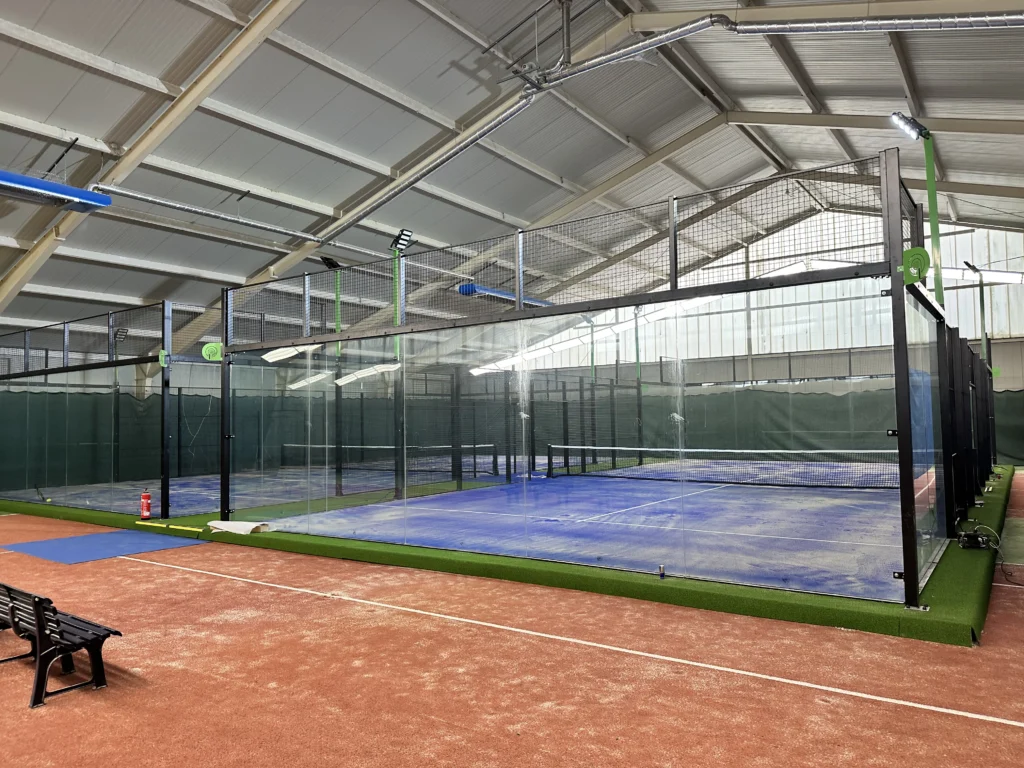
Padel Court Maintenance: How to Extend Lifespan and Playing Quality Padel Court Maintenance A well-maintained padel court ensures safety, consistent playing conditions, and lower long-term costs. Daily, weekly, and periodic routines keep synthetic turf fibers resilient, glass walls secure, and the structure solid. This isn’t a detail, but the foundation of a court that performs at its best all year round—as various maintenance guides emphasize—focusing on regular brushing, sand distribution, inspections of glass and metal fittings, and drainage control. Why Maintenance Is Essential Maintenance prevents sand compaction, hardening of the top layer, and uneven play surfaces. It also reduces fiber wear and lowers the risk of injuries caused by slipping or unexpected irregularities. Authoritative guidelines recommend daily cleaning and weekly brushing, periodic deep cleaning, and timely sand refilling to keep bounce and grip consistent. When to Perform Maintenance Daily and Weekly: What Works in Practice Remove debris daily using a soft brush or blower; brush the turf and level the sand weekly; and check fittings, net tension, lighting, and drainage each month. This routine aligns with international best practices and helps maintain warranty conditions—especially for covered courts, where insufficient maintenance can affect both safety and warranty coverage. Periodic Deep Cleaning Periodic professional deep cleaning lifts turf fibers, redistributes and renews the infill sand as needed, and removes organic matter from the mat. This keeps the surface permeable and playable, with noticeable improvements in speed and consistency. Several sources recommend deep maintenance at least once a year, and every six months for intensive use, along with inspections of glass, net posts, fencing, and bolts. When to Replace the Artificial Grass Even with proper upkeep, artificial grass has a lifespan. Depending on usage, weather, and maintenance discipline, the replacement range is typically between four and seven years. Signs that replacement is due include bare or dark patches, fibers that no longer stand up despite brushing, reduced drainage, and unsafe grip—all indicators that the mat has reached the end of its technical life. Industry guides emphasize that timely replacement is more cost-effective than continuing with an overly worn surface, as it prevents repeated repairs, excessive sand loss, and reductions in play quality and safety. Replacement as an Opportunity for Improvement Replacement provides a moment to optimize—consider the right turf type for your usage, adjust the sand infill, improve drainage, clean the glass, and perform structural checks. The right combination of suitable turf, correct sand level, and a maintenance log demonstrably improves return on investment. Read more about artificial turf In Conclusion With a consistent maintenance routine, timely deep cleaning, and clear replacement scheduling, your court will remain safe, fast, and enjoyable. If you’d like help setting up a maintenance plan or advice on replacement, we’re happy to assist. Want to know more? We’re happy to help! Contact details: +31 52 72 100 40 info@i-padel.nl Hoornse Hop 10, 8321 WX, URK Frequently Asked Questions Why is regular maintenance of a padel court so important? Regular maintenance keeps the playing surface safe and consistent. It prevents sand compaction, hardening of the top layer, and unnecessary fiber wear. Sources recommend a daily, weekly, and periodic schedule with inspections of glass, fencing, fittings, and drainage so the court performs properly year-round. What does daily maintenance involve, and what can I do myself? Remove leaves and debris with a soft brush or blower, lightly redistribute the sand with a broom or drag mat, and visually inspect for loose parts. This aligns with recommendations from artificial turf and padel court maintenance guides. How often should I check or refill the infill sand? Check the sand distribution weekly and refill periodically to maintain play quality and fiber posture. The benchmark for infill sand is around 12 kilograms per square meter, depending on turf type and usage intensity. What is surface hardening, and how can it be fixed? Hardening occurs when sand becomes compacted and contaminated, making the surface firm and poorly permeable. Professional revitalization removes dirty sand, cleans the turf, and replenishes it—restoring elasticity and drainage. When is it wise to replace the turf mat? Typical lifespan for padel turf is around four to seven years, depending on usage, weather, and maintenance. Warning signs include dark or bare spots, fibers that no longer stand up, and poor water drainage. Timely replacement prevents higher costs and unsafe conditions. What key monthly checks should I perform besides the surface? Check glass and fencing, bolts, and net posts for looseness; inspect lighting and drainage; and schedule deep cleaning or sand refilling when needed. This matches structural and periodic inspection guidelines. How should you deal with seasonal influences like autumn leaves or winter snow? Keep the court free of leaves and organic debris, ensure drainage works properly, remove snow carefully without damaging the turf or glass, and avoid ice buildup whenever possible. Seasonal attention helps prevent damage and slipping hazards. Do I always need to outsource deep cleaning, and how often? No, you can also perform it yourself with professional equipment costing around €7,000. Plan at least one professional session per year, or twice annually for heavy use. During this process, fibers are lifted, sand redistributed, contamination removed, and structural components checked for lasting play quality and safety. Regular maintenance keeps the playing surface safe and consistent. It prevents sand compaction, hardening of the top layer, and unnecessary fiber wear. Sources recommend a daily, weekly, and periodic schedule with inspections of glass, fencing, fittings, and drainage so the court performs properly year-round. Remove leaves and debris with a soft brush or blower, lightly redistribute the sand with a broom or drag mat, and visually inspect for loose parts. This aligns with recommendations from artificial turf and padel court maintenance guides. Check the sand distribution weekly and refill periodically to maintain play quality and fiber posture. The benchmark for infill sand is around 12 kilograms per square meter, depending on turf type and usage intensity. Hardening occurs when sand becomes compacted and contaminated, making the surface firm and poorly permeable. Professional revitalization removes dirty
Semipermanent Padel Courts: The Future of Flexible and Sustainable Sports Infrastructure

Wind Load on Padel Courts: What You Need to Know
When constructing padel courts, it is essential to consider wind load, especially for outdoor courts. But what exactly does wind load mean, and why is it important for sports structures in the Netherlands? What is Wind Load? In the Netherlands, there are three wind zones established based on wind strength. The wind blowing against or along a structure, such as a padel court, creates different pressure and tension forces. Wind suction plays a crucial role here. Wind Zones Classification The classification of wind zones helps determine the expected wind load during the design and construction of padel structures. Here are the wind zones in the Netherlands: Wind Zone 3: This area has the lowest wind load and mainly includes inland regions. Wind Zone 2: Here, the wind load increases. Wind Zone 1: This area, often along the coast, experiences the highest wind load. Between these zones, there is a “transition zone” of about 5 kilometers. Site Categories According to Eurocode In addition to the wind zones, there are three site categories that affect wind load: Built (III): Areas with many buildings, where structures slow down the wind. Unbuilt (II): Open areas like meadows or plains with few obstacles. Sea or Coastal Area (I): Along the coast, where the wind can rapidly gain strength from open water. Importance for Padel Structures For clubs, commercial parties, or main contractors, it is crucial to be aware of these wind zones and site categories when planning and building padel courts. This helps not only with the design but also with ensuring the safety and durability of the structure. Do you have any questions or need more information about wind load in your area? Contact us at info@i-padel.nl or speak with your padel court builder for tailored advice. By considering these factors, you can ensure that your padel court is not only attractive but also resistant to the elements. Want to know more? We are happy to help you! Contact details: +31 52 72 100 40 info@i-padel.nl Hoornse Hop 10, 8321 WX, URK
Why Padel for Your Sports Club or Venue?
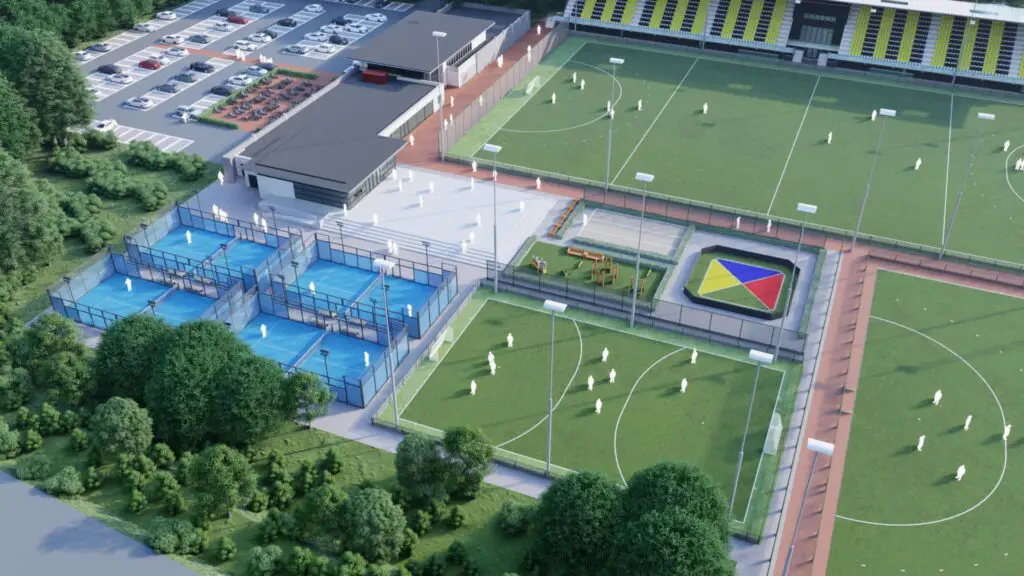
Why is padel a useful addition for clubs and venues? Adding a padel court to your sports club or association is a smart investment that offers significant benefits both sportively and financially. Padel is not only a rapidly growing sport that excites members, but it can also provide a substantial boost to your club’s revenue. Here’s why a padel court is a great asset for any sports club. Sportively: Enriching the Sports Offering Accessibility for all ages and levels: Padel is a sport that people of all ages and skill levels can easily take up. It is less technically complex than tennis, making it accessible to a wider audience. This makes it an excellent addition for sports clubs looking to diversify their member base. Strengthening the club community: Padel is often played in doubles, which emphasizes the social aspect of the sport. This fosters the club culture and strengthens the bonds between members. By offering this new, fun sport, you create a more dynamic and close-knit club environment. Additional sporting options for existing members: For many athletes, variety is the key to motivation. A padel court provides your current members with a new challenge and keeps them engaged with the club. This prevents them from seeking other clubs or sports to fulfill their need for variation. Financial: A Boost for the Club’s Finances Contributing to member retention: By offering padel, you attract new members specifically looking for this popular sport. Furthermore, existing members are likely to renew or upgrade their membership to gain access to the padel courts, resulting in a stable and growing income stream. Increased revenue from food and beverage: Padel is an intense sport that leaves players thirsty and hungry. This leads to higher sales at the club’s café or restaurant. Additionally, padel matches are often short and intense, prompting players to return to the food and beverage areas during their visit. Organizing tournaments and events: Padel is perfect for tournaments and corporate events, which generate extra income. Consider entry fees, sponsorships, and increased spending at the food and beverage facilities during these events. Regularly organizing tournaments helps position your club as a hub for padel activity in the region. Renting court hours: Not all padel players will become members immediately, but many will be interested in renting the court. This offers an additional revenue source, especially during peak hours when demand for courts is high. A Winning Choice for Any Sports Club Adding a padel court to your sports club offers more than just an expansion of the sports offering. It is a strategic move that can keep the club financially healthy, attract new members, and keep the existing member base satisfied and engaged. The combination of sporting and financial benefits makes a padel court an investment that pays for itself quickly and contributes to a lively, thriving sports club. If you want to learn more about what a padel court can bring to your club, we’d be happy to help. Send us a message at info@i-padel.nl, and we’ll get back to you within 24 hours. We can also connect you with professional builders and installation companies. Want to know more? We are happy to help you! Contact details: +31 52 72 100 40 info@i-padel.nl Hoornse Hop 10, 8321 WX, URK
The Explosive Growth and Popularity of Padel
Padel is one of the fastest-growing sports in the world, and this explosive growth is not without reason. The unique mix of tennis and squash has made padel accessible and attractive to a broad audience, leading to a significant increase in the number of players and courts worldwide. In this article, we dive deeper into the factors contributing to the growing popularity of padel and why this sport is attracting so many people. What makes padel so popular? Accessibility for all ages and levelsOne of the biggest reasons for the popularity of padel is its accessibility. Padel is easy to learn, even for people who have never held a racket before. The smaller court and user-friendly rules make it an ideal sport for both young and old, beginners and advanced players. Moreover, padel is less physically demanding than some other racket sports, making it attractive to a wide range of players. Social interactionPadel is a very social sport. Because it is usually played in doubles, it requires teamwork and communication between partners. This makes padel not only a physical activity but also a social one. Many people choose padel because it gives them the opportunity to meet new people and strengthen friendships, which contributes to the overall popularity of the sport. Quick learning curveThe learning curve of padel is relatively fast, meaning new players can play competitively after just a few sessions. This quick sense of progress keeps players motivated and engaged. The combination of simple rules and rapid improvements ensures players keep coming back for more. The global growth of padel Expansion of padel courtsThe demand for padel courts has skyrocketed in recent years. In many countries, padel courts are now a standard feature in sports centers, tennis clubs, and recreation areas. Spain is the most prominent example of this growth, where padel is the second most popular sport after football. In other countries, such as Italy, Sweden, and the United Kingdom, more and more padel courts are being built to meet the growing demand. International tournaments and media attentionThe growth of padel is further fueled by the organization of international tournaments and increasing media coverage. Major events like the World Padel Tour attract thousands of spectators and are broadcast on television and online platforms, boosting the sport’s visibility and inspiring even more people to try the game. Corporate and school programsCompanies and schools are also beginning to discover the benefits of padel, offering courts and programs to encourage employees and students to participate. These initiatives help introduce the sport to a wider audience and support the ongoing growth of padel in the long term. Conclusion The popularity of padel continues to grow globally due to its accessibility, social nature, and quick learning curve. The increase in the number of padel courts, the organization of international tournaments, and the adoption of the sport by companies and schools all contribute to its explosive growth. Padel is no longer a niche sport, but has become a global phenomenon that will continue to impact the world of sports. Want to know more? We are happy to help you! Contact details: +31 52 72 100 40 info@i-padel.nl Hoornse Hop 10, 8321 WX, URK
The Benefits of Padel Courts for Your Club or Sports Facility
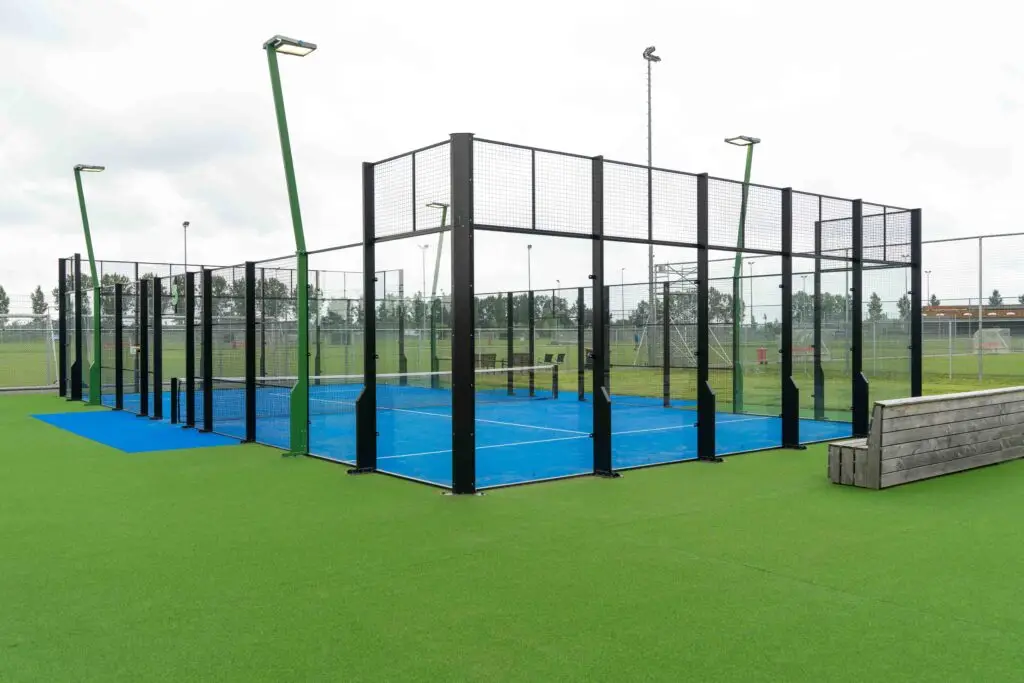
The Benefits of Padel Courts for Your Club or Sports FacilityPadel has grown immensely in popularity in recent years, offering sports clubs and recreation centers a unique opportunity to diversify their offerings. Adding padel courts to your facilities brings many benefits, from attracting new members to generating extra income. In this article, we discuss the key advantages of adding padel courts to your club or sports facility. 1. Attracting New Members One of the biggest advantages of padel courts is their ability to attract new members. Padel is an accessible sport that is suitable for players of all ages and skill levels. This makes it an appealing option for those looking for a new sports experience. By offering padel courts, your club can stand out from other sports facilities in the area, attracting a new target audience. 2. Additional Revenue Streams Padel courts offer various opportunities to generate additional income. In addition to regular membership fees, you can rent out courts to non-members, charge entry fees for tournaments, and offer padel lessons or clinics. These additional revenue streams can help recover the cost of building the courts quickly and even generate long-term profits. 3. Member Retention Through Variety For existing members, the introduction of padel courts provides extra variety and challenge. It allows them to try a new sport without leaving their current club. This can help increase member loyalty and reduce turnover. Padel is also a social sport, which means it’s a great way to strengthen the community within your club. 4. Low Maintenance Costs Another major advantage of padel courts is that they have relatively low maintenance costs compared to other sports facilities, such as tennis courts. The materials used for padel courts, such as artificial grass and concrete, are durable and require minimal upkeep. This keeps operational costs low, which is beneficial for the financial health of your sports facility. 5. Flexible Usability Padel courts are versatile in their use. Whether you’re hosting tournaments, facilitating recreational matches, or offering lessons, padel courts can easily be adapted for various purposes. This versatility makes it easier to maximize the use of the courts, ensuring they’re a valuable addition to your sports facility. 6. Future-Proofing The popularity of padel continues to rise globally, and this trend is expected to continue. By investing in padel courts now, you’re tapping into this growing market, ensuring your club or sports facility is future-proof. This can help keep your club relevant in a competitive sports environment and provide opportunities for growth and expansion. Conclusion Padel courts offer numerous benefits for sports clubs and recreation centers. They attract new members, provide additional income, offer variety to existing members, and have low maintenance costs. Moreover, they are flexible in use and future-proof, making them a valuable investment for your sports facility. Whether you’re a small club looking for growth or a large sports center seeking to expand its offerings, padel courts are a smart choice. Want to know more? We are happy to help you! Contact details: +31 52 72 100 40 info@i-padel.nl Hoornse Hop 10, 8321 WX, URK
Padel Courts for Your Club: An Investment in the Future
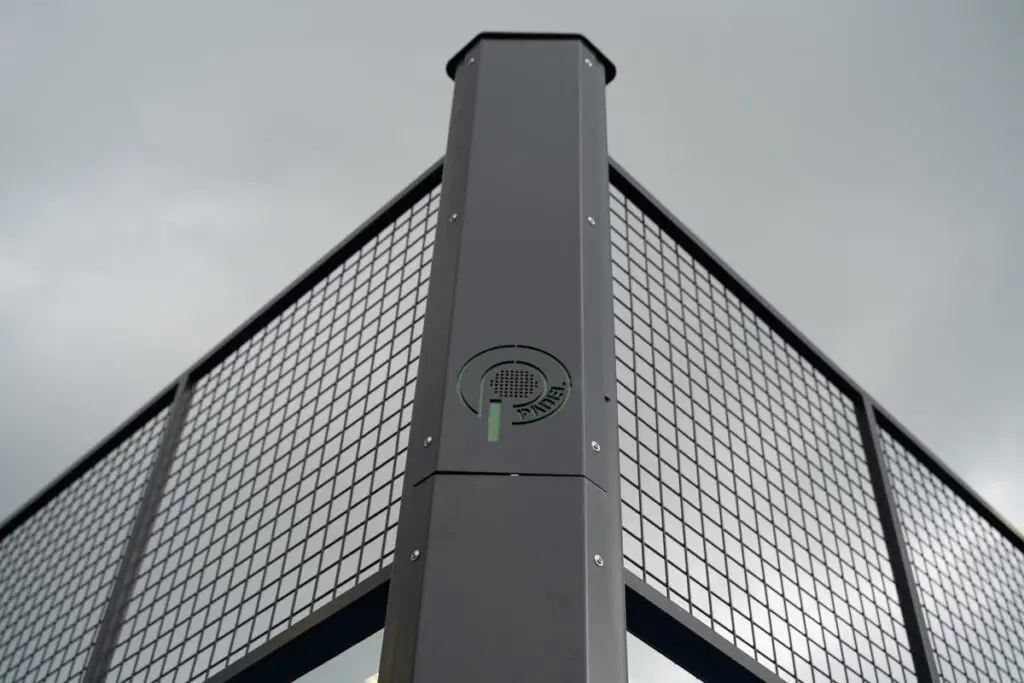
Padel Courts for Your Club: An Investment in the Future Padel is one of the fastest-growing sports worldwide, and more and more clubs are discovering the benefits of offering padel courts. Whether you manage a tennis club, sports association, or recreation center, adding padel courts can be a smart investment that attracts new members and keeps existing members engaged. Why Padel? Padel combines the best elements of tennis and squash, making it a dynamic and accessible sport for players of all ages and skill levels. The game is played on a smaller court than tennis, surrounded by walls, which are part of the game. This leads to longer rallies and a lot of fun. Since padel is relatively easy to learn, beginners can quickly join in, while advanced players are still challenged. The Benefits of Padel Courts for Your Club Attract New Members: With padel’s growing popularity, offering padel courts can attract new members to your club. People specifically looking for padel courts are more likely to join a club that offers this facility. Increase Revenue: Padel courts can generate additional income, not just through membership increases, but also by renting to non-members, hosting tournaments and events, and even offering padel lessons. Member Retention: For existing members, the introduction of padel is a welcome addition. It allows them to try a new sport without leaving the club. This can help retain members who are seeking variety or a new challenge. Low Maintenance Costs: Padel courts generally have lower maintenance costs compared to tennis courts. The smaller surface area and the use of artificial grass or other durable materials ensure that the courts last longer and require less frequent replacement. Building Padel Courts When constructing padel courts, it is essential to work with a specialist who has experience in building these specific courts. The design, location, and material choice are crucial factors that influence the playability and durability of the courts. Additionally, you should consider permits and potential subsidies for sports facilities, which could lower the total cost. Conclusion Adding padel courts to your club is a strategic move that pays off in multiple ways. It provides a new, popular sport for your members, attracts new visitors, and contributes to the financial health of your club. In short, padel courts are an investment in the future of your sports association. Want to know more? We are happy to help you! Contact details: +31 52 72 100 40 info@i-padel.nl Hoornse Hop 10, 8321 WX, URK